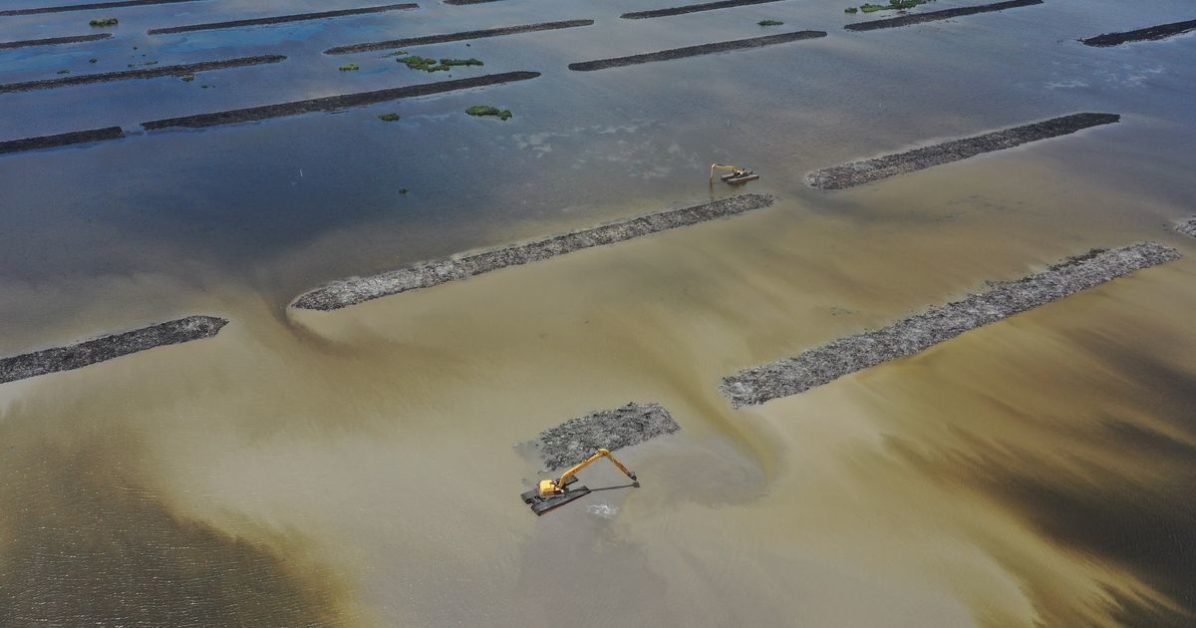
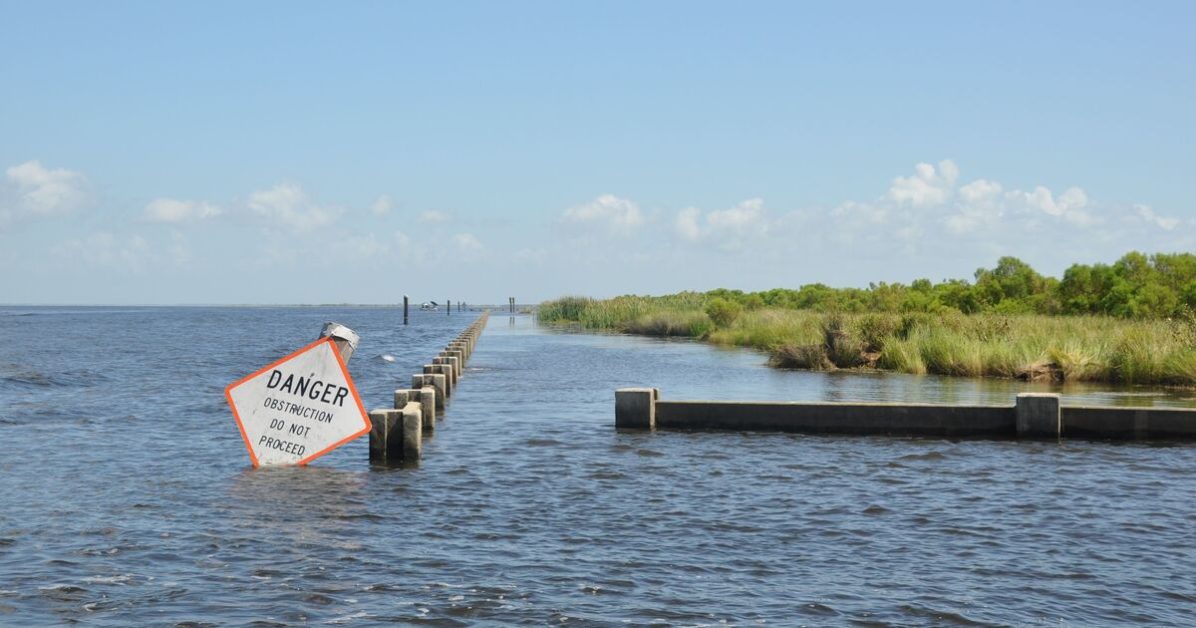
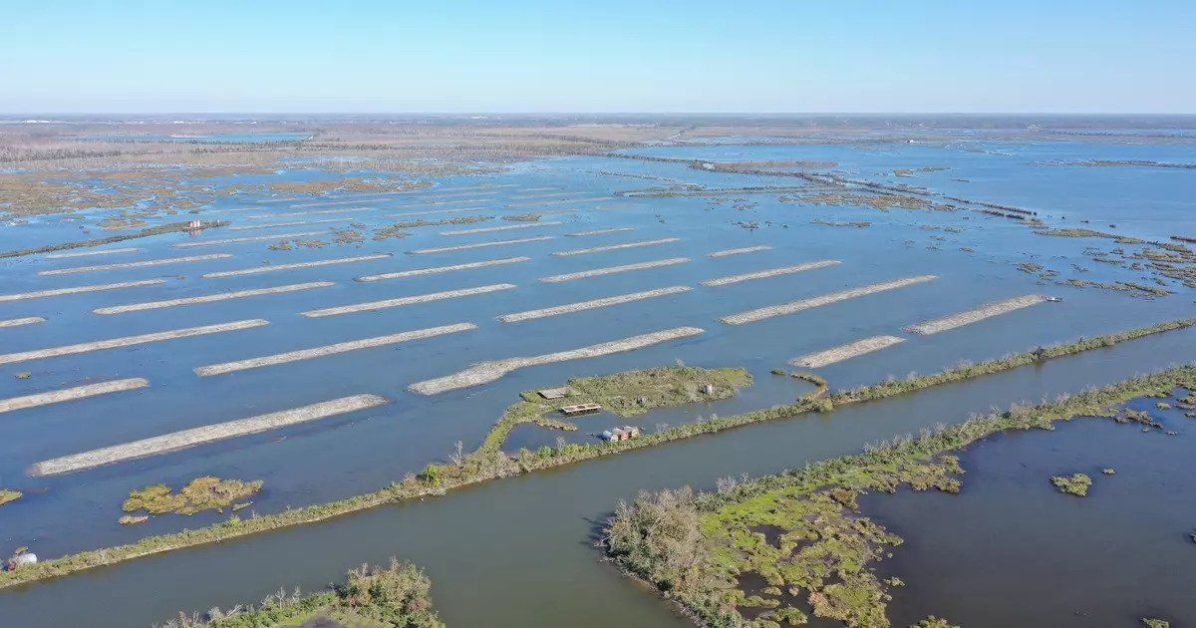
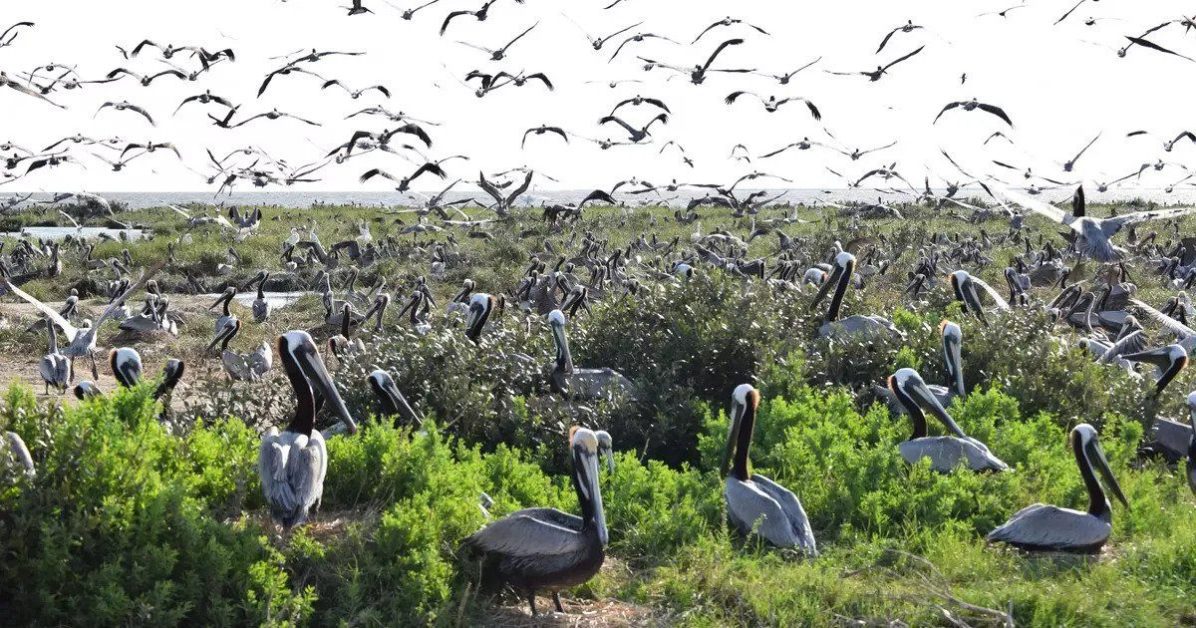
Wetland mitigation is the process of creating or restoring wetlands lost to development. The ultimate goal is to replace as much as possible the functions and public benefits of the destroyed wetlands. The Clean Water Act (CWA) was enacted to restore and maintain the chemical, physical, and biological integrity of…
Wetlands are a crucial part of our environment that we must strive to protect at all costs. Destroying these regions will negatively impact our environment and disrupt the surrounding ecosystems. To safeguard our wetlands, we must practice wetland mitigation. Also known as compensatory mitigation, wetland mitigation is the process of…
If your project adversely impacts wetlands, the U.S. Army Corps of Engineers (USACE) will require you to compensate for the environmental destruction. This can be done in 1 of 3 ways; 1) permittee responsible mitigation, which is the act of creating wetlands yourself, 2) pay to the State of Louisiana’s…
Environmental assessments (EAs) are conducted to assess the environmental impact of a policy, program, or project during the consideration and approval stages. The term “environmental impact assessment” (EIA) is often used when describing the projects undertaken by individuals or companies. And the term “strategic environmental assessment” (SEA) is often applied…
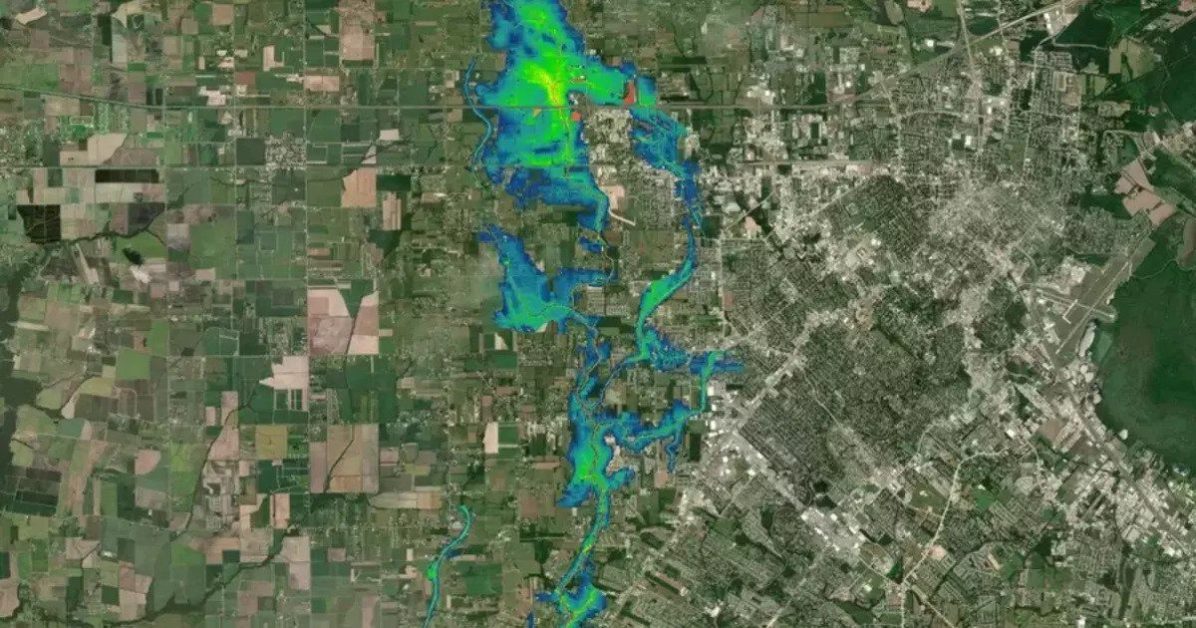
Flooding, simply put, is an overflowing of water onto land that is normally dry. Its impacts can be severe enough to create a natural disaster that causes serious damage to property—and unfortunately in some cases—threatens lives. For communities that may be at risk to flooding and its devasting impacts, we…
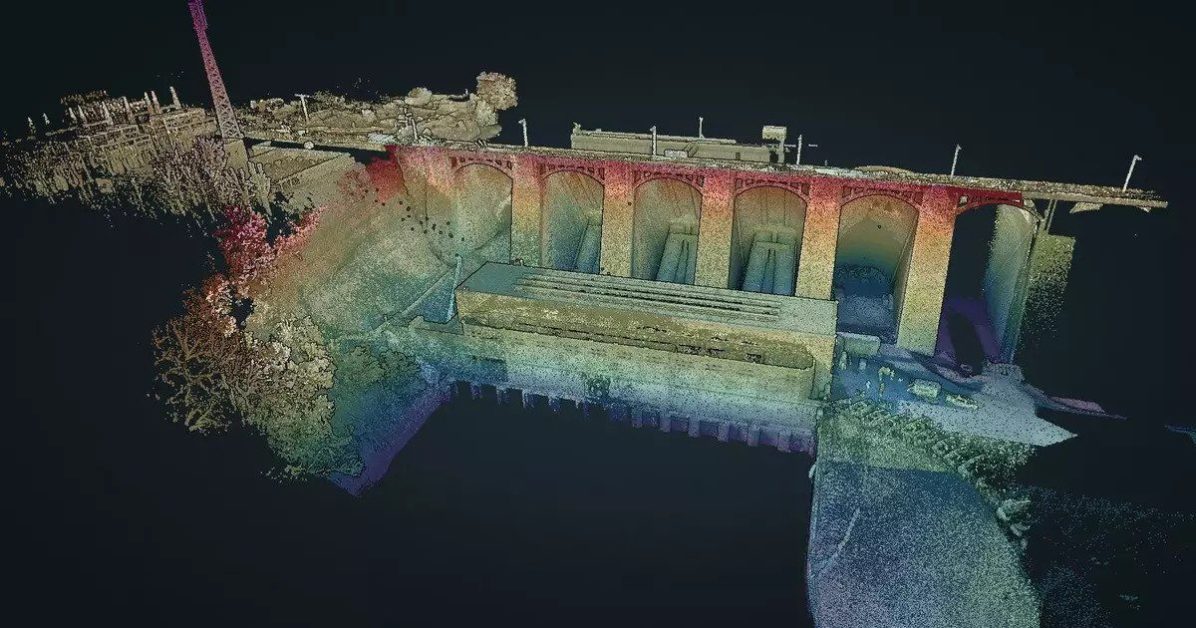
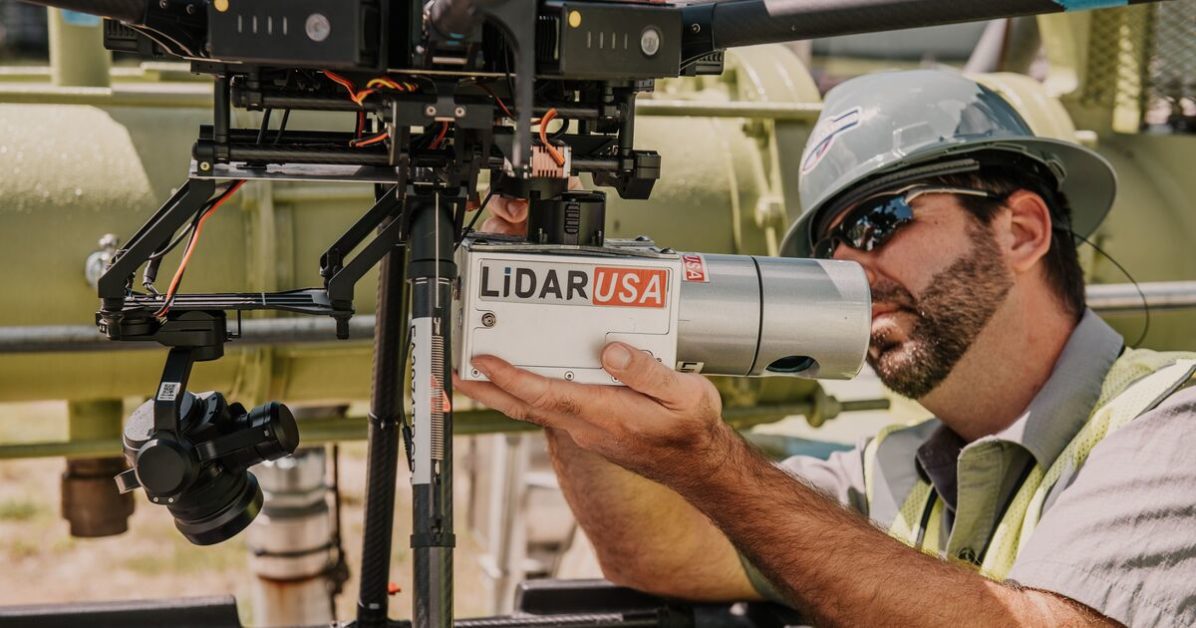
LiDAR, which stands for “light detection and ranging,” is a remote sensing method that uses laser pulses to measure the distance between objects, or the distance from the LiDAR sensor itself. It does this by targeting an object or a surface with a laser and measuring the time it takes…
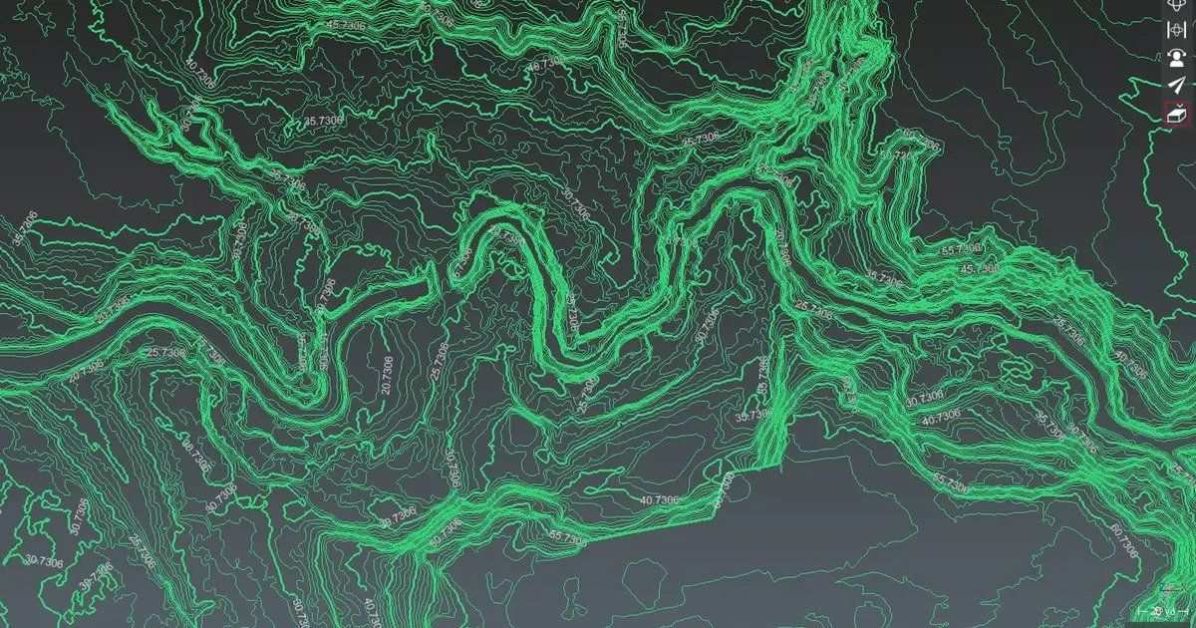
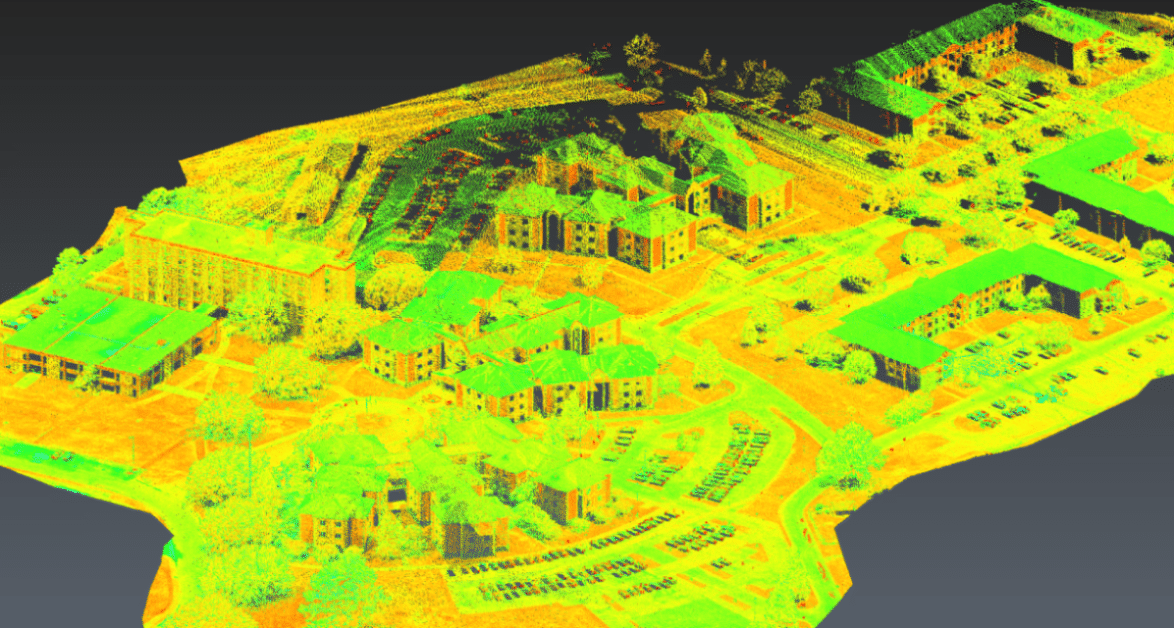
LiDAR is a form of surveying that measures distance using laser pulses. LiDAR data is used for mapping purposes in many different fields, from civil engineering to land development. LiDAR mapping technology helps you to capture information, process the data, and create detailed maps. A LiDAR system collects 3D measurements…
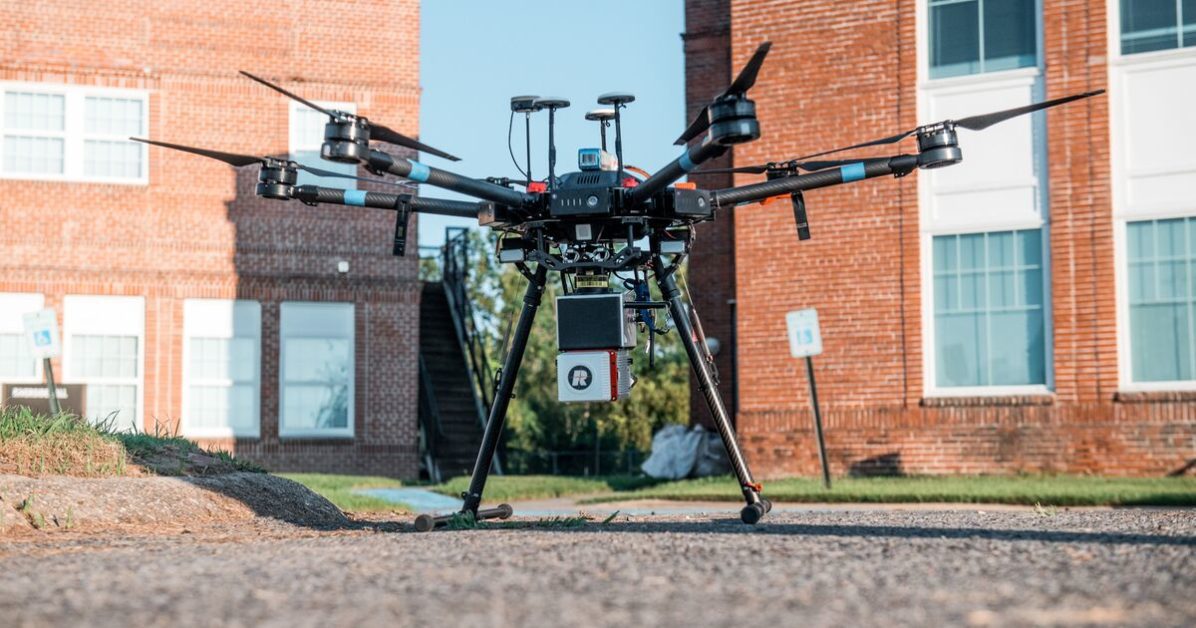
Cameras and sensors for drones have brought a revolution to the surveying and mapping industry. They’re used for capturing imagery and providing highly accurate results. Gone are the days where you need large aircraft or large LiDAR sensors to map areas. Instead, you can use compact drones equipped with compact…
LiDAR is a remote sensing technology that helps to create three-dimensional models of dynamic scenes for surveying, mapping, autonomous driving cars, and more. LiDAR uses lasers to measure elevations and distances of moving as well as stationary objects and allows for extremely precise measurement. These sensors use LiDAR technology to…
LiDAR and radar are the two most powerful remote sensing technologies that help in tracking, detecting, and imaging objects! Both the devices have the same function – to detect the volume and presence of distant objects. Because of this reason, people often get confused between the two and use them…
To provide the best experiences, we use technologies like cookies to store and/or access device information. Consenting to these technologies will allow us to process data such as browsing behavior or unique IDs on this site. Not consenting or withdrawing consent, may adversely affect certain features and functions.
Functional
Always active
The technical storage or access is strictly necessary for the legitimate purpose of enabling the use of a specific service explicitly requested by the subscriber or user, or for the sole purpose of carrying out the transmission of a communication over an electronic communications network.
Preferences
The technical storage or access is necessary for the legitimate purpose of storing preferences that are not requested by the subscriber or user.
Statistics
The technical storage or access that is used exclusively for statistical purposes.The technical storage or access that is used exclusively for anonymous statistical purposes. Without a subpoena, voluntary compliance on the part of your Internet Service Provider, or additional records from a third party, information stored or retrieved for this purpose alone cannot usually be used to identify you.
Marketing
The technical storage or access is required to create user profiles to send advertising, or to track the user on a website or across several websites for similar marketing purposes.
To provide the best experiences, we use technologies like cookies to store and/or access device information. Consenting to these technologies will allow us to process data such as browsing behavior or unique IDs on this site. Not consenting or withdrawing consent, may adversely affect certain features and functions.
Functional
Always active
The technical storage or access is strictly necessary for the legitimate purpose of enabling the use of a specific service explicitly requested by the subscriber or user, or for the sole purpose of carrying out the transmission of a communication over an electronic communications network.
Preferences
The technical storage or access is necessary for the legitimate purpose of storing preferences that are not requested by the subscriber or user.
Statistics
The technical storage or access that is used exclusively for statistical purposes.The technical storage or access that is used exclusively for anonymous statistical purposes. Without a subpoena, voluntary compliance on the part of your Internet Service Provider, or additional records from a third party, information stored or retrieved for this purpose alone cannot usually be used to identify you.
Marketing
The technical storage or access is required to create user profiles to send advertising, or to track the user on a website or across several websites for similar marketing purposes.