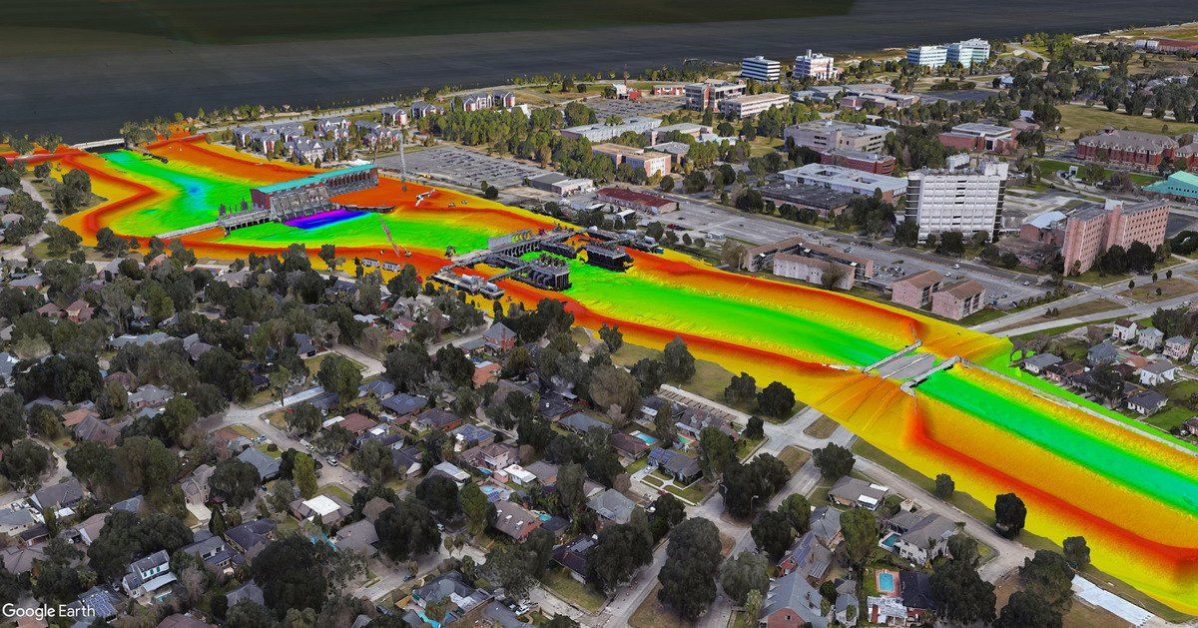
Civil engineering is a versatile and broad industry that covers lots of different engineering areas with different objectives. Civil engineering generally covers the design, plan, construction, and maintenance of man-made and natural structures built for human use or benefit. Civil engineers build infrastructures like roads, bridges, dams, stadiums, pipelines, and…
Careers in civil engineering are wide-ranging, allowing you to choose a specialization. Civil engineers work both on-site and off-site helping to make sure that every stage of the project, from pitch to completion, runs smoothly and produces excellent results. The process of becoming a civil engineer isn’t extensive but it…
Civil engineering is a great industry to enter, providing a great starting salary, varied work, and the opportunity to specialize later in your career. Civil engineering is a fairly broad career path, with five main branches of civil engineering to choose from: Structural engineering Transportation engineering Water resources engineering Environmental…
The fields of mechanical and civil engineering are similar in a lot of ways—they both involve designing, planning, and constructing. Their main difference is the types of structures they work on. Both types of engineering offer great careers, but mechanical and civil engineers each need a specific type of knowledge…
Civil engineering is one of the broadest industries and careers out there. It covers the research, design, construction, and maintenance of buildings and infrastructure, both natural and man-made. The buildings and infrastructure civil engineers construct are mostly designed for public use and benefit people around the world. These buildings…
Civil engineering is the field of engineering that deals with the design, manufacturing, and maintenance of natural and man-made infrastructures. Civil engineers can work in the public or private sector. The infrastructures they work on can include dams, bridges, roads, airports, pipelines, railways, sewage systems, power plants, and sports stadiums.…
Unless you’re a budding physicist, marine biologist, or are experienced with equipment used in our oceans, the idea of multibeam sonar mapping may be perplexing. But the truth is, although it may sound technical and difficult to understand, it’s actually not. Put simply, sonar beams use sound waves to detect…
3D laser scanning is the process of making accurate and precise digital models of real-life objects, people, or spaces. 3D laser scanning can be used for 3D printing or for projects that need a portable, digital copy of something that can be annotated or adapted. For example, 3D modeling is…
Mobile mapping is the process of collecting geospatial data by using mobile vehicles like cars, drones, boats, trains, or airplanes. These vehicles are typically equipped with a range of GNSS, photographic, laser, radar, LiDAR or other remote sensing systems. Mobile mapping systems allow for the continuous calculation of 3D…
The Environmental Protection Agency (EPA) defines wetlands as “areas where water covers the soil or is present either at or near the surface of the soil all year or for varying periods of time during the year.” There are two different types of wetlands: Coastal or tidal wetlands. These can…
To provide the best experiences, we use technologies like cookies to store and/or access device information. Consenting to these technologies will allow us to process data such as browsing behavior or unique IDs on this site. Not consenting or withdrawing consent, may adversely affect certain features and functions.
Functional
Always active
The technical storage or access is strictly necessary for the legitimate purpose of enabling the use of a specific service explicitly requested by the subscriber or user, or for the sole purpose of carrying out the transmission of a communication over an electronic communications network.
Preferences
The technical storage or access is necessary for the legitimate purpose of storing preferences that are not requested by the subscriber or user.
Statistics
The technical storage or access that is used exclusively for statistical purposes.The technical storage or access that is used exclusively for anonymous statistical purposes. Without a subpoena, voluntary compliance on the part of your Internet Service Provider, or additional records from a third party, information stored or retrieved for this purpose alone cannot usually be used to identify you.
Marketing
The technical storage or access is required to create user profiles to send advertising, or to track the user on a website or across several websites for similar marketing purposes.