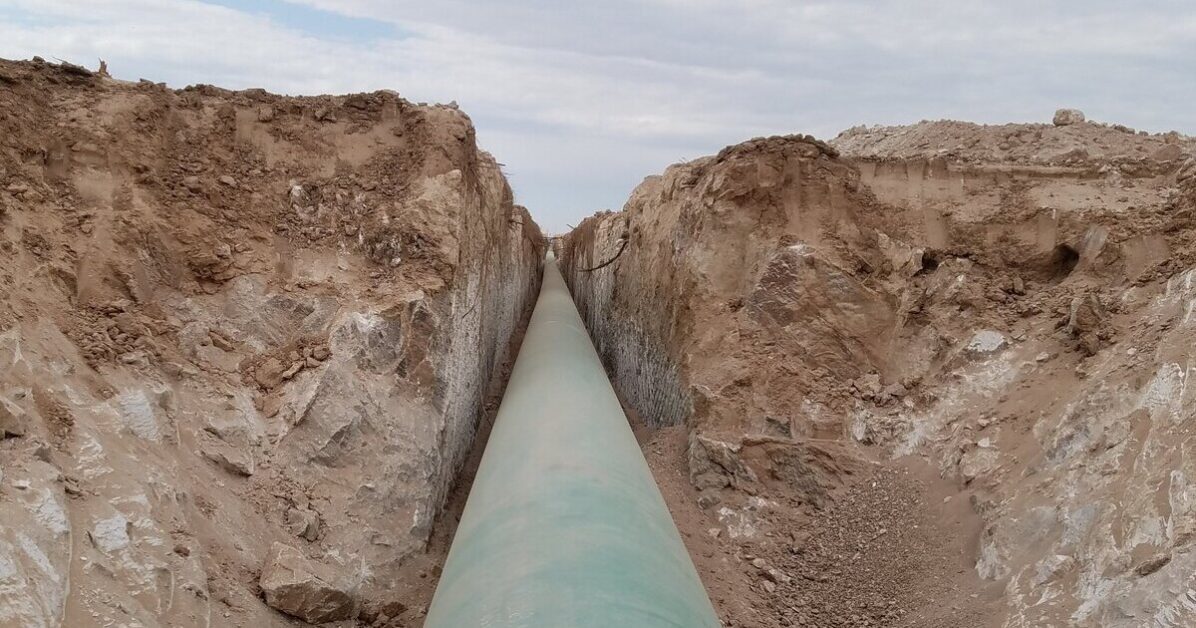
Natural gas currently accounts for about one-quarter of global electricity generation. It’s clearly a burgeoning source of fuel that will be powering our world for years to come. But many people don’t know the first thing about natural gas, where it comes from, and how it gets to you. In…
Civil engineering students are often required to complete a final project during their undergraduate studies. This project is a capstone experience that allows students to apply the knowledge and skills acquired throughout their coursework to real-world problems. Student final projects in civil engineering can take many forms, including designing a…
Construction management and civil engineering are two closely related fields that overlap often and in many different ways. Successful completion of a construction project is heavily reliant on the expertise and collaboration of both civil engineers and construction managers. While civil engineering deals with the design and planning of various…
Civil engineering is everywhere. Think about the structures that you interact with every day. Whether it be the roads that we walk on, the transit systems we take, or the office buildings we work in. From skyscrapers to houses, civil engineers are found at the root of it all. Civil…
Civil engineering involves designing, constructing, and maintaining the built environment, which includes buildings, roads, bridges, and water supply and sewage systems. The field plays a major role in improving the quality of life for people and communities. Civil engineers use their technical skills to solve complex problems and make the…
You might be wondering what civil engineering is and how civil engineers affect, influence, and improve our daily lives. Think roads, buildings, clean water, sustainable power, and waste management. These cornerstones of society are all thanks to the work of civil engineers, who design, build, and maintain the infrastructure that…
Civil engineers are responsible for so much of our modern innovations and infrastructure – think of every bridge you’ve driven across recently, every road you’ve meandered down, and every airport you’ve flown out of. Civil engineers are behind all of those projects. But there are many other players involved in…
Civil engineers are responsible for designing, building, and maintaining infrastructure such as roads, bridges, buildings, and water systems. The minimum degree requirement to become a licensed civil engineer is typically a Bachelor’s Degree in Civil Engineering or a related field. To become licensed after obtaining a degree, aspiring civil engineers…
There are very few public industries that do not rely on the work of civil engineers. From the maintenance of the roads you drive on to work every day to your local city’s waterways and even the construction of buildings across both the private and public sectors – civil engineers…
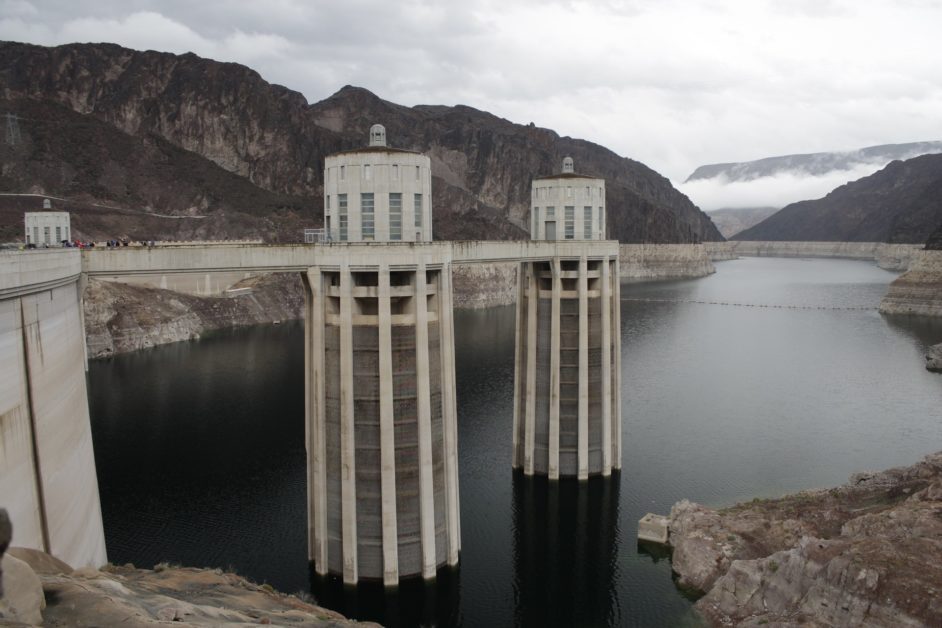
One of the oldest professions in the world, civil engineering reaches far and wide, with subspecialties in many different areas. Civil engineers work on a selection of many different projects, ranging from bridges to tunnels to subways to dams—and much, much more. Think of any given monument or man-made landmark…
To provide the best experiences, we use technologies like cookies to store and/or access device information. Consenting to these technologies will allow us to process data such as browsing behavior or unique IDs on this site. Not consenting or withdrawing consent, may adversely affect certain features and functions.
Functional
Always active
The technical storage or access is strictly necessary for the legitimate purpose of enabling the use of a specific service explicitly requested by the subscriber or user, or for the sole purpose of carrying out the transmission of a communication over an electronic communications network.
Preferences
The technical storage or access is necessary for the legitimate purpose of storing preferences that are not requested by the subscriber or user.
Statistics
The technical storage or access that is used exclusively for statistical purposes.The technical storage or access that is used exclusively for anonymous statistical purposes. Without a subpoena, voluntary compliance on the part of your Internet Service Provider, or additional records from a third party, information stored or retrieved for this purpose alone cannot usually be used to identify you.
Marketing
The technical storage or access is required to create user profiles to send advertising, or to track the user on a website or across several websites for similar marketing purposes.
To provide the best experiences, we use technologies like cookies to store and/or access device information. Consenting to these technologies will allow us to process data such as browsing behavior or unique IDs on this site. Not consenting or withdrawing consent, may adversely affect certain features and functions.
Functional
Always active
The technical storage or access is strictly necessary for the legitimate purpose of enabling the use of a specific service explicitly requested by the subscriber or user, or for the sole purpose of carrying out the transmission of a communication over an electronic communications network.
Preferences
The technical storage or access is necessary for the legitimate purpose of storing preferences that are not requested by the subscriber or user.
Statistics
The technical storage or access that is used exclusively for statistical purposes.The technical storage or access that is used exclusively for anonymous statistical purposes. Without a subpoena, voluntary compliance on the part of your Internet Service Provider, or additional records from a third party, information stored or retrieved for this purpose alone cannot usually be used to identify you.
Marketing
The technical storage or access is required to create user profiles to send advertising, or to track the user on a website or across several websites for similar marketing purposes.